Cross Timbers Nursery
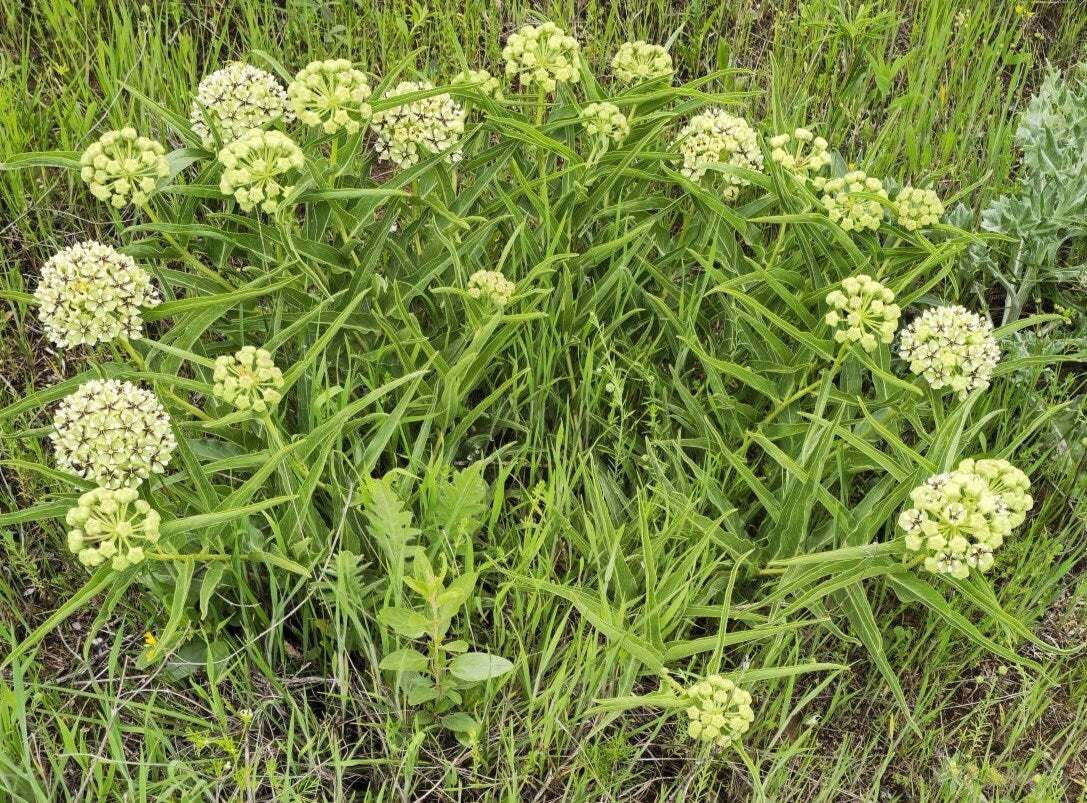
Antelope Horns Milkweed Native Seeds (Asclepias asperula) Spider Milkweed. Green-flowered Milkweed, Monarch Butterfly Host Plant
Antelope Horns Milkweed Native Seeds (Asclepias asperula) Spider Milkweed. Green-flowered Milkweed, Monarch Butterfly Host Plant
Couldn't load pickup availability
Antelope Horns Milkweed is a sprawling/clumping perennial host plant that boasts large pale-green flower heads with white to white-purple hoods. This native wildflower is a vital food source for monarch butterflies and other pollinating insects, providing them with the nourishment they need to thrive.
Perfect for sunny borders, cottage gardens, butterfly gardens, or prairie and native gardens!
-It's a pollinator magnet. Antelope Horns Milkweed produces copious amounts of nectar and pollen, which attracts a wide variety of pollinators to your garden, including bees, wasps, flies, and butterflies. This is especially important for the monarch butterfly, which is experiencing a population decline.
-It's a low-maintenance plant. Antelope Horns Milkweed is drought-tolerant and can thrive in a variety of soil conditions. It is also relatively pest- and disease-resistant.
-It's a beautiful plant. Antelope Horns Milkweed produces clusters of greenish-white flowers that bloom in the summer. The flowers have a sweet fragrance and are a beautiful addition to any garden.
-It's a native plant. Antelope Horns Milkweed is native to North America, which means that it is adapted to the local climate and soil conditions. This makes it a good choice for gardeners who want to support biodiversity and create a sustainable garden.
If you are looking for a plant that is both beautiful and beneficial, this Milkweed is a perfect choice. It is a must-have for any gardener who wants to attract pollinators to their garden and support the monarch butterfly.
- Host Plant to: Monarch, Soldier, and Queen butterflies
- Nectar Plant to: Monarchs, swallowtails, skippers, and many other butterflies
- Plant Life Cycle: Herbaceous perennial
- Light Requirements: Full Sun (6+ hours)
- Soil Type: Sandy to rocky, well drained
- Moisture Requirements: Dry to medium moisture, drought-tolerant
- USDA Hardiness Zones: 5-9
- Plant Height: Up to 2 ft
- Plant Spacing: 2 ft, spreads laterally
- Bloom Time: Spring – Summer
Germination:
Milkweed seeds need a cold-moist stratification process to germinate properly
Place the milkweed seeds on a damp paper towel or coffee filter.
Fold the paper towel or coffee filter in half to cover the seeds.
Place the folded paper towel or coffee filter in the plastic bag or container.
Seal the plastic bag or container.
Place the plastic bag or container in the refrigerator.
Leave the seeds in the refrigerator for 3-6 weeks.
Check the seeds every few weeks to make sure they are still moist. If the paper towel or coffee filter dries out, add more water.
Once the cold stratification period is complete, you can plant the seeds in a seed tray or directly in your garden.
Here are some additional tips for cold stratifying milkweed seeds:
You can also use moist sand or vermiculite instead of a paper towel or coffee filter.
Make sure the seeds are moist, but not soggy.
Do not place the seeds in the freezer. The freezer can damage the seeds.
If you are planting the seeds in the spring, you can cold-stratify them in the refrigerator over the winter.
Share