Cross Timbers Nursery
Fragrant Camphorweed Native Seeds (Heterotheca subaxillaris) Drought Tolerant, Sandy Soils
Fragrant Camphorweed Native Seeds (Heterotheca subaxillaris) Drought Tolerant, Sandy Soils
Couldn't load pickup availability
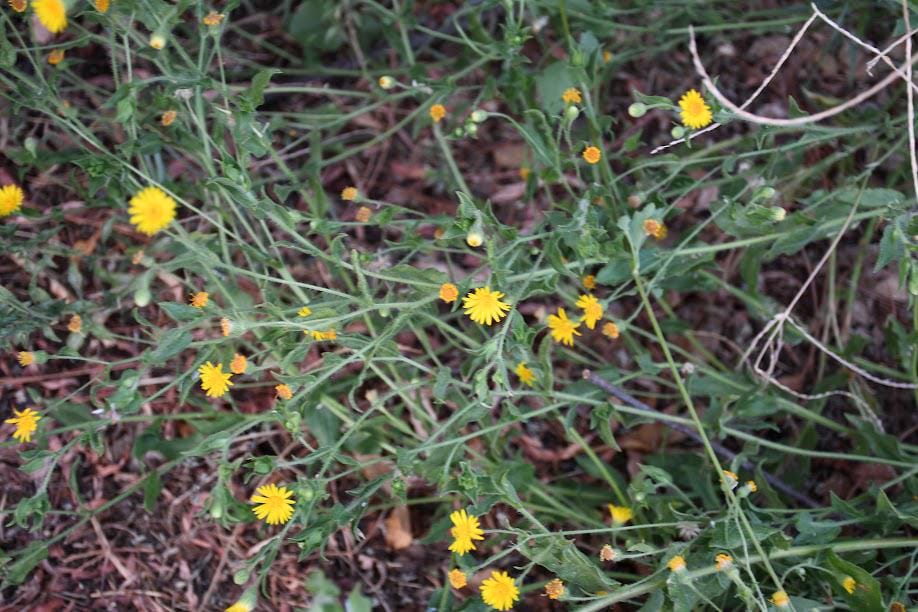
Bring fragrant, cheerful golden-yellow blooms to the hardest spots in your garden with Heterotheca subaxillaris, commonly known as Camphorweed or Camphor Daisy. This resilient native wildflower thrives where many other plants give up, making it a favorite for sandy soils, coastal gardens, and low-maintenance native landscapes.
☀️ Why You'll Love It
Camphorweed produces cheerful, daisy-like yellow flowers atop aromatic, slightly fuzzy gray-green foliage that releases a distinctive camphor-like scent when brushed or crushed. As a fast-growing annual or short-lived perennial, it's a fantastic pioneer plant — quick to establish, quick to bloom, and happy to fill in bare, sandy, or disturbed ground with season-long color.
🐝 Growing Details
Mature height: 1–3 feet
Bloom time: Summer through fall (often into first frost)
Sun: Full sun, part shade
Soil: Sandy, well-drained, tolerates poor/disturbed soil
Water: Highly drought-tolerant once established; thrives in heat
Hardiness zones: 5–10 (often grown as an annual in cooler zones)
Growth habit: Upright, bushy, self-seeding
🦋 A Pollinator Powerhouse
Camphorweed's abundant late-season blooms are a magnet for bees, butterflies, and other pollinators when many other nectar sources have faded — making it especially valuable in the fall garden. Heterotheca species are often used as food plants by the larvae of some Lepidoptera species including several noctuid moths like the lynx flower moth (Schinia lynx), Camphorweed Flower Moth (Schinia nubila) and Brown Flower Moth Schinia saturata—all of which have been recorded on Heterotheca subaxillaris)
✨ Perfect for coastal gardens, dune stabilization, sandy or disturbed sites, and anyone looking to add tough, drought-defying color that pollinators can't resist.
Germination: Sow in early Spring on soil surface
Share